
 SA
SA  English
 中文简体
中文简体 Español
 عربى
عربىأخبار
الصفحة الرئيسية / أخبار / أخبار الصناعة / Electric Fly Swatter Battery Size Guide: Types, Capacity, and How to Choose
محتوى
The battery size in an electric fly swatter is not a one-size-fits-all specification. Across current models you will find replaceable AAA cells, sealed lead-acid packs, and lithium-ion batteries, with voltages from 2.4V to 3.7V and capacities from 250mAh to 1200mAh. That choice affects more than the number on the box: it influences strike power, how long the wire grid stays effective, how long you wait for a recharge, and what the swatter costs to run over its life. This guide explains what each battery size means in practice so you can pick the model that fits your routine instead of simply choosing the largest capacity.
Most electric mosquito swatters fall into three battery families. Review the specifications once, and the rest of the decision becomes much clearer.
| Battery type | Typical voltage | Typical capacity | Charging method | Example |
|---|---|---|---|---|
| AAA replaceable cells | 3.0V (2 x AAA) | Not fixed | Replace when depleted | FF008 |
| Lead-acid rechargeable pack | Around 4V | 250mAh - 400mAh | Plug, figure-eight cable, solar | FF106, FF002 |
| Lithium-ion rechargeable cell | 3.7V | 500mAh - 1200mAh | USB cable or charging base | FF785A, FF888 |
AAA-powered models, such as the AAA-powered FF008 electric mosquito swatter , are the simplest option. They have no charging circuit and no aging battery pack, so when the cells run flat you replace them instantly. That is convenient for travel and storage, but you need spare batteries on hand, and the replacement cost adds up if you use the swatter every day.
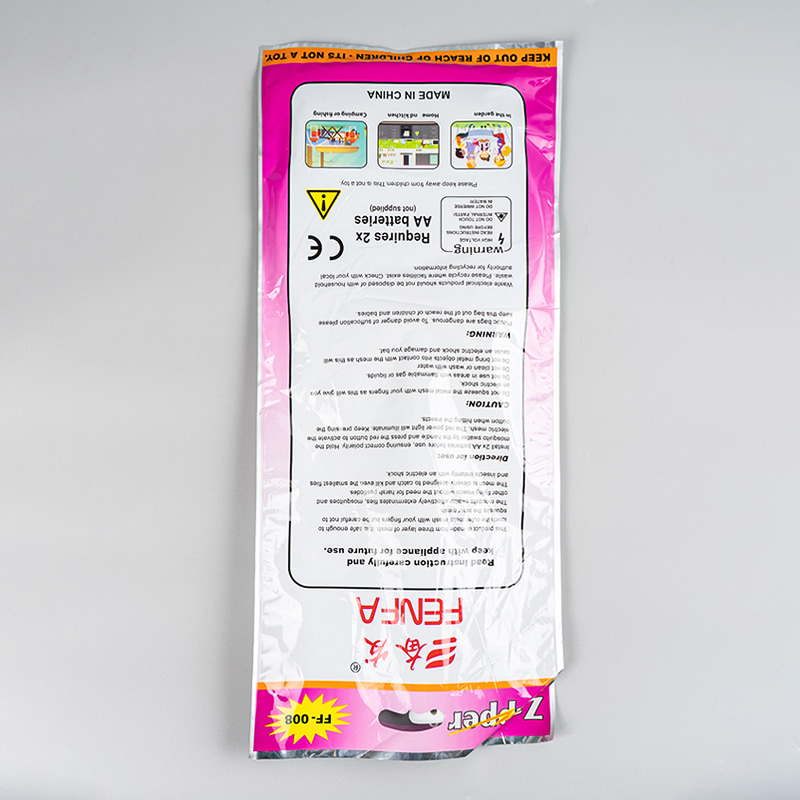 Wholesale FF-008 AAA Battery-powered electric mosquito swatter Suppliers, Factor Zhejiang Yuyao Fenfa Electric Technology Co., Ltd. is China wholesale Battery-powered electric mosquito swatter suppliers and factory,Thi... View Product →
 Lead-acid rechargeable swatters, like the FF106 250mAh lead-acid model , are common in budget-oriented home products. The pack typically sits around 4V and charges through a wall plug, figure-eight cable, or in some cases a small solar panel. Capacity is usually 250mAh to 400mAh, which covers a few evenings of normal mosquito control. The trade-offs are weight and charging time; lead-acid cells are heavier than lithium cells and often need several hours to recharge.
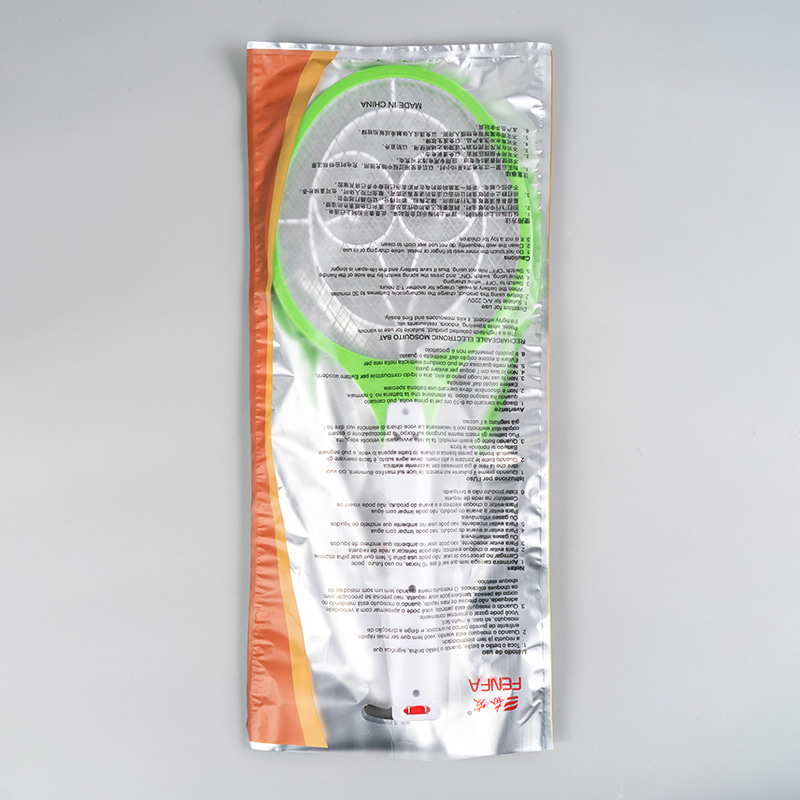 Wholesale FF-106 250mAh 3-color lead-acid battery electric mosquito swatter Supp Zhejiang Yuyao Fenfa Electric Technology Co., Ltd. is China wholesale Home electric mosquito swatter suppliers and factory,Product Core H... View Product →
 On the higher end, lithium-ion models such as the FF785A with a 1200mAh lithium battery offer the largest usable capacity and the easiest refill routine. With USB cable or base charging, you can top up from a phone adapter, a laptop, or a portable power bank. A 1200mAh cell also holds voltage more steadily while it drains, which is important when you are sweeping a room with several mosquitoes.
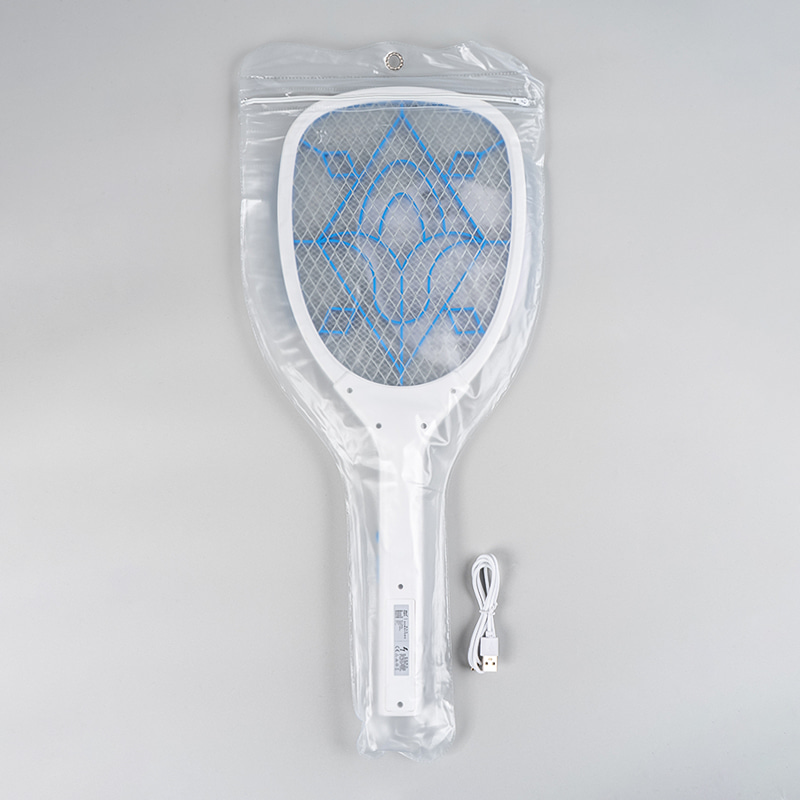 Wholesale FF-785A 1200mAh 3-color electric mosquito swatter with USB cable Suppl Zhejiang Yuyao Fenfa Electric Technology Co., Ltd. is China wholesale Multifunctional electric mosquito swatter suppliers and factory,Thi... View Product →
 Battery size influences performance through three factors: voltage, capacity, and charging behavior. Voltage drives the high-voltage generator that energizes the grid. A fresh pair of AAA cells provides 3.0V, a lead-acid pack sits near 4V, and a lithium cell carries 3.7V. When the battery voltage sags under load, the strike weakens and some mosquitoes survive the first hit, which means more chasing and more smudges on the mesh.
Capacity, measured in mAh, tells you how many effective strikes you can deliver before the battery drops below the voltage needed for a strong zap. A 250mAh lead-acid pack suits occasional evening use. A 400mAh pack extends that work time by a noticeable margin. A 1200mAh lithium cell provides enough stored energy for regular sessions plus extra functions such as LED lighting, and it maintains stronger output as the charge level drops.
Charging convenience separates the families even more than raw capacity. AAA-powered swatters have no downtime; you swap cells and continue. Lead-acid packs commonly need six to eight hours on a plug charger. Lithium models with USB or base charging usually reach full capacity in two to four hours and work with the same adapters you already use for a phone.
The right battery size depends on where you use the swatter and how often you pick it up.
For most buyers, the best approach is to match battery size to frequency of use, not to the ceiling of the spec sheet. A 1200mAh cell is a genuine advantage for continuous outdoor control or for working through a long evening on the patio, but it adds cost and weight compared with a 400mAh pack. If you use the swatter mainly for one or two rooms, a smaller battery will serve you well and recharge overnight.
Before you settle on a model, check several practical points that are easy to overlook when comparing prices.
Understanding how an electric mosquito swatter converts battery power into a high-voltage zap also helps you read the specification correctly. A battery that can deliver high current for longer will produce a more consistent strike, which is why a heavy-duty lithium model outperforms a weak AAA set in continuous use.
Battery size is not about finding the biggest number. It is about matching the power source to your routine. If you want instant replacement and no charging cable, choose an AAA model. If you want the lowest cost for fixed home use, a 250mAh to 400mAh lead-acid swatter is a practical pick. If you want long runtime, stable strikes, and USB convenience, a 500mAh to 1200mAh lithium model is worth the higher price. Check the battery type and capacity on the label before you buy, and the swatter will stay effective for many seasons.
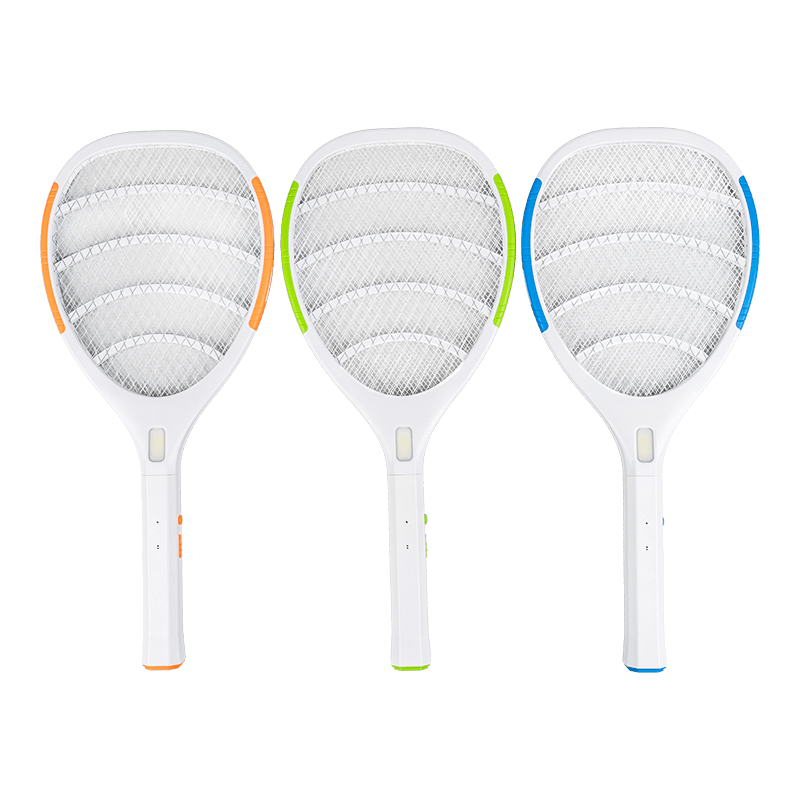 مضرب البعوض الكهربائي FF-868 بسعة 400 مللي أمبير مع قابس وبطارية الرصاص الحمضية
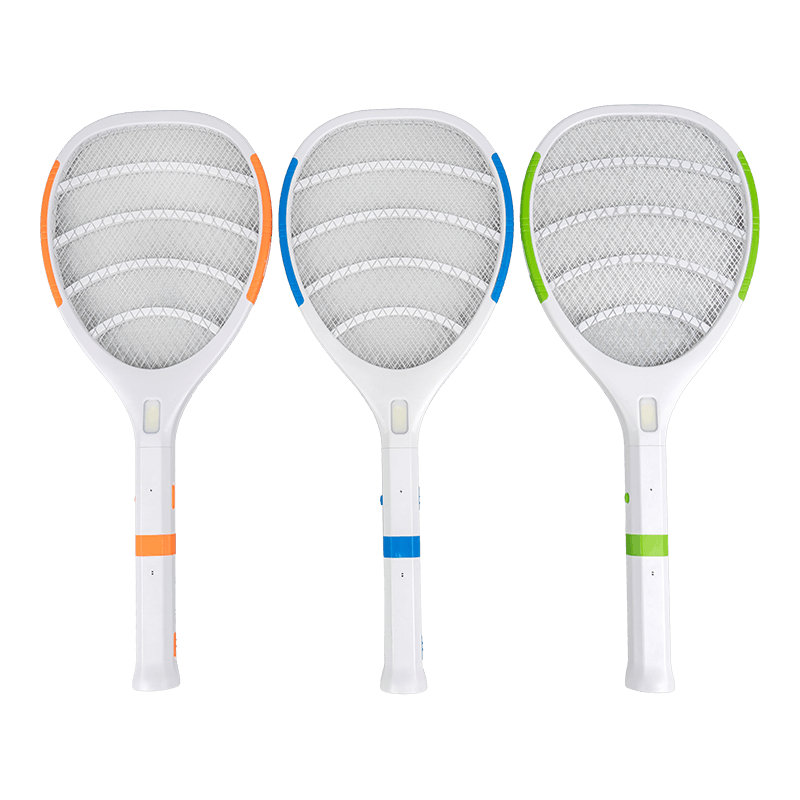 FF-808 تفكيك مصباح يدوي مزود ببطارية LED حمضية وبطارية كهربائية منزلية للبعوض بسعة 400 مللي أمبير
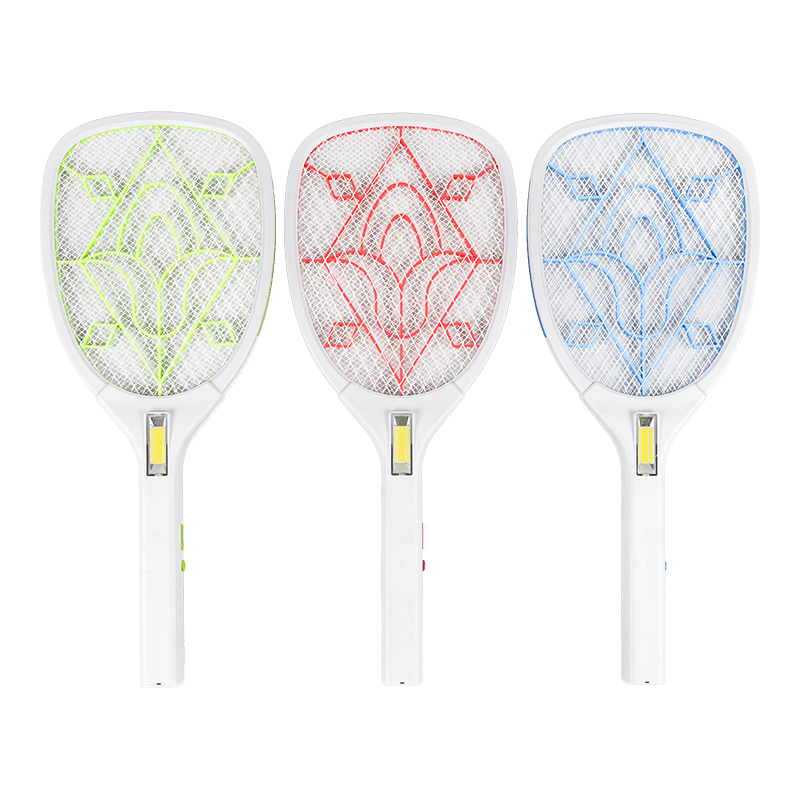 بطارية LED حمضية FF-998 بسعة 400 مللي أمبير مع قابس مضرب البعوض الكهربائي بالطاقة الشمسية
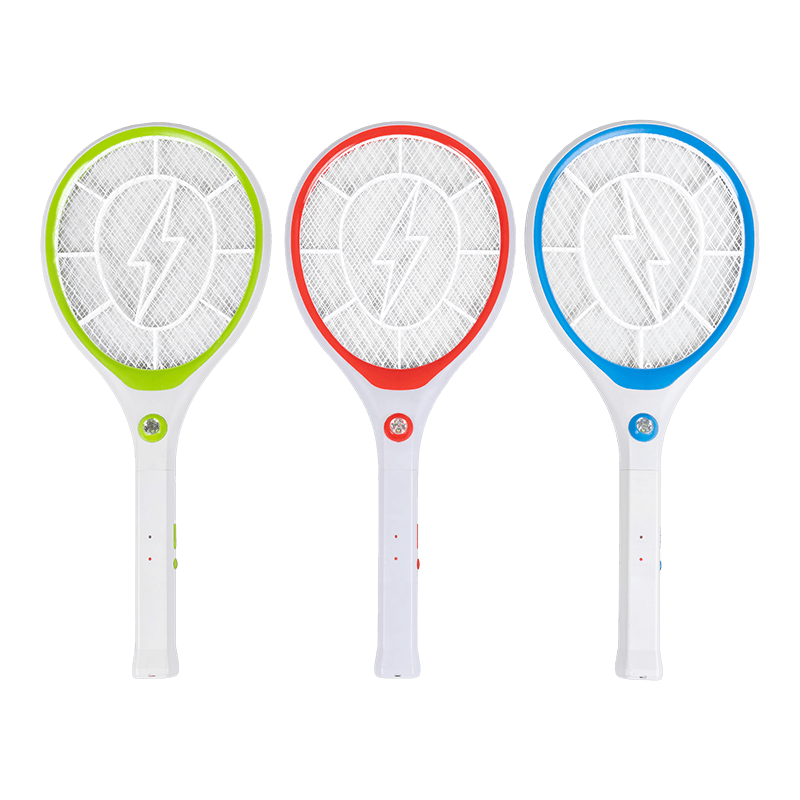 مضرب البعوض الكهربائي FF-787A ثلاثي الألوان LED يعمل بالطاقة الشمسية مع بطارية رصاص حمضية 400 مللي أمبير
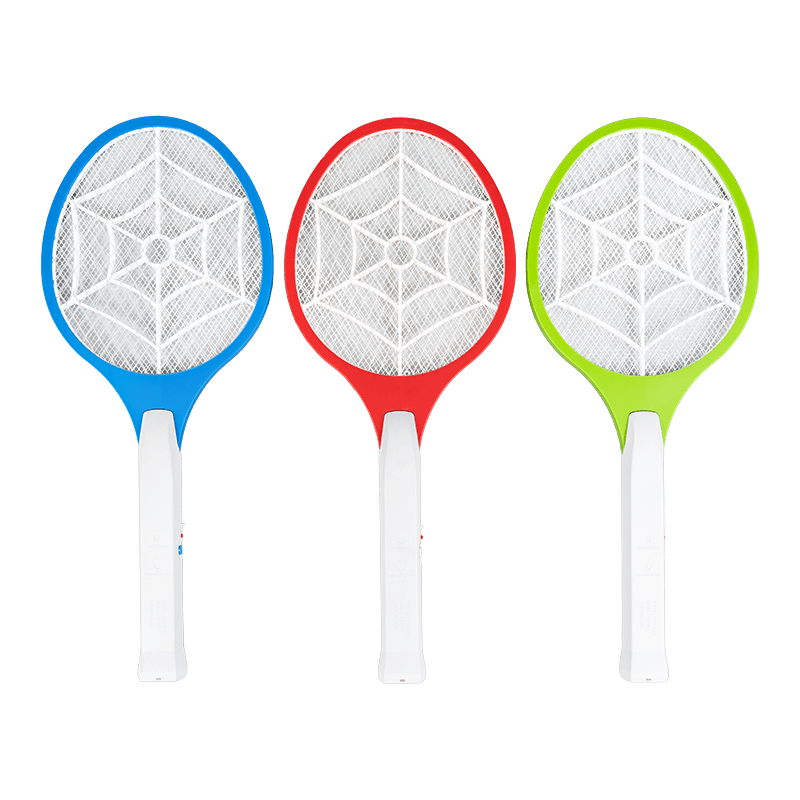 مضرب البعوض الكهربائي FF-786A ثلاثي الألوان يعمل بالطاقة الشمسية مع بطارية رصاص حمضية 400 مللي أمبير
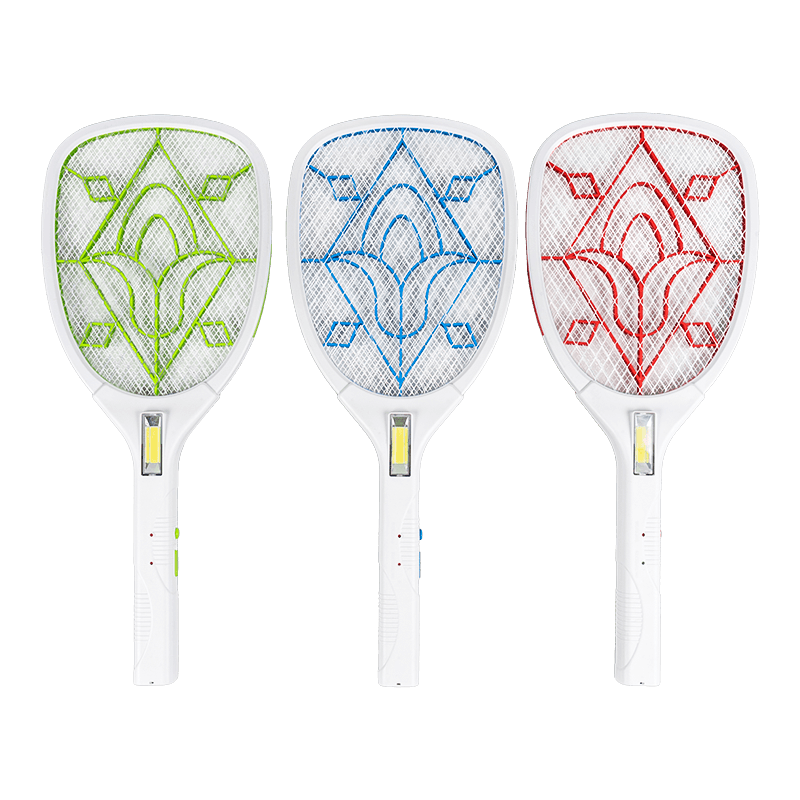 FF-785 قابس LED ثلاثي الألوان بطارية الرصاص الحمضية 400 مللي أمبير مضرب البعوض الكهربائي
+86-574-62470728
+86-13736064888
رقم 1، تل فوتشوان، قرية تشيشان، منطقة يانغمينغ الفرعية، مدينة يوياو، مقاطعة تشجيانغ، الصين

حقوق الطبع والنشر © Zhejiang Yuyao Fenfa Electric Technology Co., Ltd. جميع الحقوق محفوظة.

 السابق